Mustard Font: Warm Handwritten Style for Business Branding
As a small business owner, I know that every visual touchpoint matters. From the sticker on a shipping box to the headline on an Instagram post, typography communicates your brand’s personality before a customer even reads a single word of copy. Finding a typeface that balances professional polish with genuine warmth is often the missing link in establishing a trustworthy brand identity. This is where the Mustard font becomes an invaluable asset for entrepreneurs, creators, and boutique owners looking to infuse their materials with an endearingly whimsical yet reliable aesthetic.
Defining the Personality of Mustard
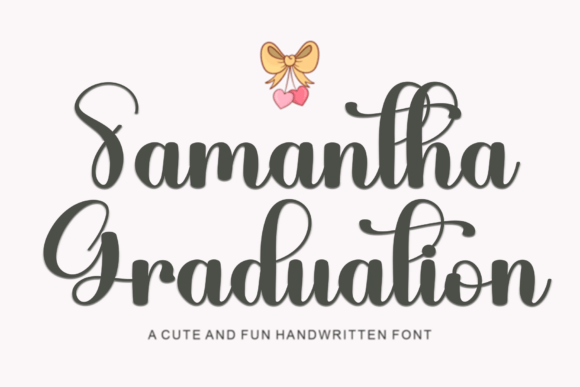
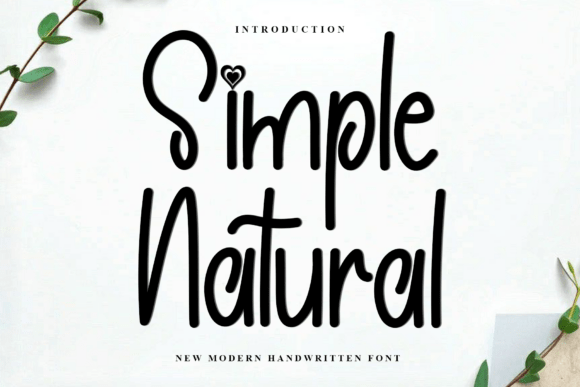
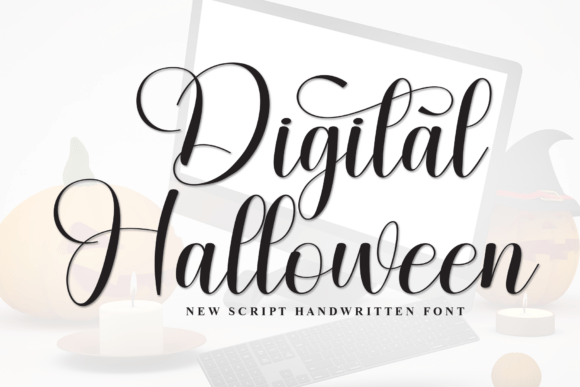
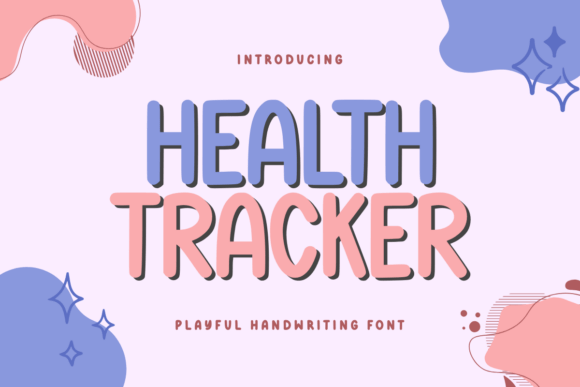
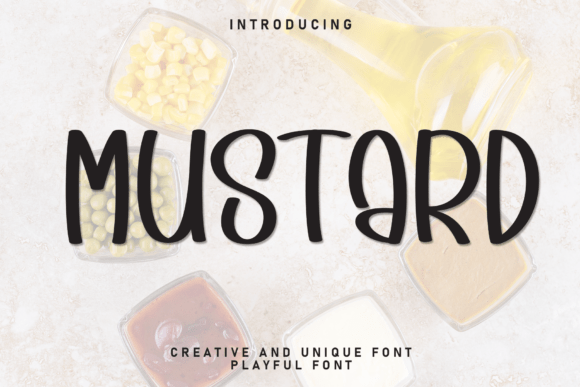
Mustard is not just another script; it is a handwritten display font designed to radiate a welcoming aura. In the crowded marketplace of digital design assets, many creative fonts lean too heavily into chaos or illegibility, making them unsuitable for actual commerce. Mustard strikes a different chord. It retains the organic, human feel of a marker or brush pen while maintaining enough structural integrity to function as a legitimate business tool. The letterforms are rounded and friendly, evoking feelings of nostalgia, craftsmanship, and personal care. For businesses in industries like baking, handmade crafts, coaching, or artisanal retail, this specific mood aligns perfectly with customer expectations of authenticity and quality.
Elevating Packaging and Product Labels
Packaging is often the first physical interaction a customer has with your brand, and for online sellers, it serves as the tangible representation of your digital promise. Using Mustard on product labels can instantly signal that an item is handmade or curated with care. Imagine a soy candle label where the scent name "Lavender & Sage" is set in Mustard. The whimsical flow suggests natural ingredients and small-batch production far better than a rigid sans serif font ever could. Similarly, for a bakery or café, using this typeface for menu headers or pastry case signage creates a cozy atmosphere that encourages customers to linger and order more. The key here is scale; because Mustard is a display font, it shines when given room to breathe on packaging, serving as a focal point rather than getting lost in fine print.
Creating Consistency Across Digital Touchpoints
Brand recognition relies heavily on consistency. When you use the same expressive typeface across your website banners, social media graphics, and email newsletters, you train your audience to recognize your content instantly. Mustard works exceptionally well for social media thumbnails and Pinterest pins where grabbing attention in a split second is essential. Its distinctive character shapes remain legible even at smaller sizes on mobile screens, provided you avoid using it for long paragraphs. For a coaching business or service provider, using Mustard in quote graphics or testimonial highlights adds a layer of empathy and approachability that standard corporate fonts lack. It transforms generic advice into what feels like a personal note from a friend.
Strategic Application in Logo Design
Your logo is the cornerstone of your visual identity, and choosing the right premium font for this purpose requires careful consideration. Mustard is ideally suited for wordmarks and logotypes for brands that want to appear accessible and boutique-style. However, it is crucial to understand its role as a display typeface. It should generally be reserved for the primary brand name or tagline rather than supporting text. If you run a floral shop named "Wildflower Studio," setting "Wildflower" in Mustard creates a beautiful, organic anchor. Pairing it with a clean, simple sans serif font for "Studio" ensures the logo remains balanced and readable across various applications, from business cards to large storefront signage. This contrast between the whimsical and the structured is what makes modern typography effective in commercial settings.
Practical Readability and Font Pairing
While we love the aesthetic of handwritten fonts, functionality must always come first in business design. A font that cannot be read is a font that does not sell. Mustard is surprisingly versatile, but it demands proper pairing to maintain professionalism. Never use this typeface for body copy, legal disclaimers, pricing tables, or contact information. Instead, treat it as the voice of your brand’s personality, supported by a workhorse typeface that handles the logistics.
- Pair with Sans Serif: For a modern, clean look, pair Mustard with a geometric sans serif font like Montserrat or Open Sans. This combination works beautifully for tech-adjacent creative businesses or modern e-commerce sites.
- Pair with Serif: For a more traditional, editorial, or luxury feel, combine Mustard with a classic serif font like Playfair Display or Merriweather. This is ideal for wedding stationery designers, high-end boutiques, or heritage brands.
- Hierarchy Matters: Use Mustard strictly for H1 headers, accent words, or short phrases. Ensure there is ample white space around the letters to prevent visual clutter.
Testing Before Committing
Before rolling out a new typeface across your entire brand identity, conduct practical readability tests. Print out your proposed label design at actual size to ensure the intricate details of the handwritten strokes do not bleed together when printed on textured paper or cardstock. View your social media templates on a phone screen rather than a desktop monitor to verify legibility in thumbnails. Ask friends or loyal customers for honest feedback on whether the font feels aligned with your product quality. Sometimes a font looks perfect in a preview window but fails in real-world application. Taking these extra steps prevents costly reprinting errors and ensures your branding investment pays off.
Navigating Commercial Licensing for Entrepreneurs
One of the most critical aspects of using any creative font in a business setting is understanding licensing. As entrepreneurs, we must respect intellectual property and protect our businesses from legal risks. Always verify the specific commercial license terms for Mustard before using it on products intended for sale, client deliverables, or merchandise. A personal use license typically does not cover selling t-shirts, mugs, or digital templates featuring the font. Investing in the correct commercial license is not just about compliance; it is about supporting the type designer who created the asset that helps your business stand out. Furthermore, having a valid commercial license provides peace of mind, allowing you to focus on growing your business without worrying about future copyright issues. When sourcing fonts from reputable marketplaces or foundries, keep your license documentation organized alongside your other business assets.
Building Trust Through Thoughtful Typography
Ultimately, the goal of incorporating Mustard into your business materials is to build trust through visual cohesion. Customers are drawn to brands that feel intentional and authentic. A haphazard mix of fonts signals amateurism, while a curated selection of complementary typefaces signals expertise and care. By leveraging the warm, welcoming nature of this handwritten display font, you create an emotional connection that transcends the transaction. Whether you are designing a thank-you card to include in an order, updating your website hero image, or refreshing your product line packaging, Mustard offers a unique blend of charm and utility. It allows small businesses to compete visually with larger corporations by offering something they often cannot: genuine, handcrafted personality. When used strategically and paired correctly, this typeface becomes more than just letters on a page; it becomes a vital component of your brand’s storytelling and long-term success.