Deddy Handmade Font for Editorial Design
In the world of digital publishing and content creation, typography is far more than just a vehicle for text; it is the primary interface between your message and your reader. As editors, bloggers, and designers, we constantly search for typefaces that bridge the gap between aesthetic appeal and functional clarity. Deddy Handmade emerges as a compelling solution in this space, offering a soft, unique touch that feels distinctly personal without sacrificing professional polish. This script font brings a distinctive character to editorial layouts, making it an invaluable asset for creators looking to infuse warmth and authenticity into their publications.
The Visual Personality of Authentic Typography
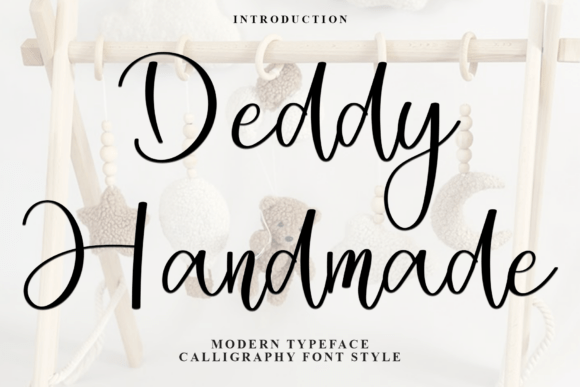
Deddy Handmade distinguishes itself through strokes that mimic natural handwriting while maintaining the consistency required for commercial design. Unlike rigid display fonts or overly chaotic brush scripts, this typeface strikes a delicate balance. It possesses a rhythmic flow that guides the eye across headlines and pull quotes without causing fatigue. For editorial designers working on lifestyle magazines, wellness blogs, or artisanal product packaging, this visual personality communicates approachability and craftsmanship.
The softness of the letterforms makes it particularly effective for niches that rely on emotional connection. When designing a wedding guide, a coaching workbook, or a heartfelt newsletter, the typography must reflect the tone of the content. Deddy Handmade acts as a visual cue, signaling to the reader that the content within is curated, thoughtful, and human-centric. Its versatility allows it to transition seamlessly from a romantic ebook cover to a modern recipe blog header, adapting its mood based on context and pairing.
Strategic Applications in Publishing and Layouts
Integrating a handwritten font into a structured publication requires intentionality. Deddy Handmade excels when used as an accent rather than a workhorse. Its primary strength lies in establishing visual hierarchy and breaking up dense blocks of body copy. Consider these practical applications for your next editorial project:
- Magazine and Ebook Covers: Use Deddy Handmade for the main title or subtitle to create an immediate focal point. The organic texture contrasts beautifully with minimalist photography or solid color backgrounds, ensuring the publication stands out in digital marketplaces and social feeds.
- Pull Quotes and Callouts: Transform standard blockquotes into engaging visual elements. Setting a key insight or testimonial in this script font breaks the monotony of serif body text and re-engages skimming readers.
- Chapter Openers and Section Headers: In long-form guides or printable planners, use this font for chapter numbers or section titles. It adds a decorative element that organizes content while maintaining a cohesive brand identity throughout the document.
- Social Media Graphics: Create shareable quote cards or announcement graphics where the typography carries the emotional weight of the message. The distinct strokes remain legible even at smaller sizes on mobile screens.
- Lead Magnets and Worksheets: For fillable PDFs or checklists, using a handwritten font for instructions or encouraging notes creates a supportive, mentor-like tone that enhances the user experience.
Mastering Font Pairing for Readability
While Deddy Handmade is visually striking, successful editorial design relies heavily on effective font pairing. Because this typeface has significant personality, it demands a partner that provides stability and high readability. Avoid pairing it with other decorative or script fonts, as this creates visual competition and reduces comprehension.
For body copy, a clean sans serif font like Montserrat, Lato, or Open Sans offers a modern, neutral foundation that lets the script headers shine. Alternatively, a classic serif font such as Merriweather or Playfair Display can lend an air of traditional authority and elegance, which works exceptionally well for literary journals or heritage brands. When setting captions, navigation menus, or fine print, always revert to a highly legible sans serif to ensure accessibility. The goal is to let Deddy Handmade serve as the voice of the brand while the supporting typeface handles the heavy lifting of information delivery.
Technical Considerations for Screen and Print
Editorial designers must account for how typography renders across different mediums. When using Deddy Handmade in web design or digital newsletters, pay close attention to sizing and spacing. Script fonts often require slightly larger point sizes than their sans serif counterparts to maintain legibility on low-resolution screens. Ensure there is adequate line height and letter spacing to prevent characters from touching or appearing cramped, which can hinder reading speed.
For print materials like zines, packaging, or physical books, verify the resolution of your export files. Vector formats are essential to preserve the crispness of the unique strokes. Additionally, explore the included alternates and ligatures. These OpenType features allow you to customize connections between letters, preventing repetitive patterns in longer headings and adding a layer of bespoke refinement that elevates the perceived value of your publication.
Licensing and Commercial Viability
As content creators and publishers, understanding licensing is non-negotiable. Before incorporating Deddy Handmade into monetized projects, review the specific license terms provided by the foundry. Commercial use typically covers ebooks, paid newsletters, client branding, templates for sale, and advertising. However, restrictions may apply to end-user products like customizable apps or embedding in software.
Investing in the appropriate premium font license protects your intellectual property and ensures ethical support for the type designer. It also grants you access to full character sets and multilingual support, which is crucial for publications targeting international audiences. By securing the correct license, you safeguard your brand’s reputation and ensure your design assets remain compliant across all distribution channels.
Elevating Brand Identity Through Type
Typography is a cornerstone of brand identity. Consistent use of Deddy Handmade across your blog, social media, and digital products creates a recognizable visual thread that builds trust with your audience. Over time, readers begin to associate the soft, distinctive strokes of this typeface with your specific voice and values. This recognition is powerful in crowded markets where differentiation is key.
Whether you are refreshing a lifestyle blog, launching a new course, or designing a seasonal magazine, Deddy Handmade offers the flexibility to be both trendy and timeless. It supports the narrative structure of your content while enhancing the overall reader experience. By treating this font as a strategic design tool rather than mere decoration, you create publications that are not only beautiful to look at but also effective in communicating your message with clarity and heart.